
Not a drop of water — so, SO soft. Biting in is like pulling at a cloud. Three days and I'm not tired of them
 By Vivian
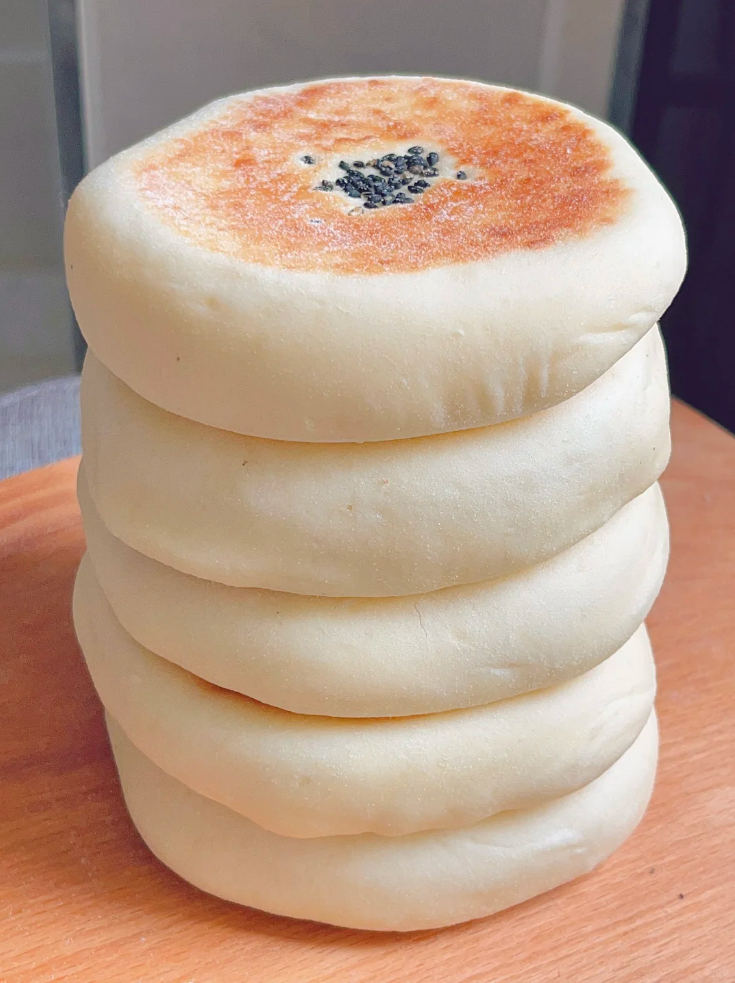
Why You'll Love It
These are a regular at our breakfast table. No oven, no oil, just a skillet — far less work than bread. I know exactly what goes in, so I'm happy giving them to my kid, and the fermented dough is easy to digest. Good for breakfast or a snack.
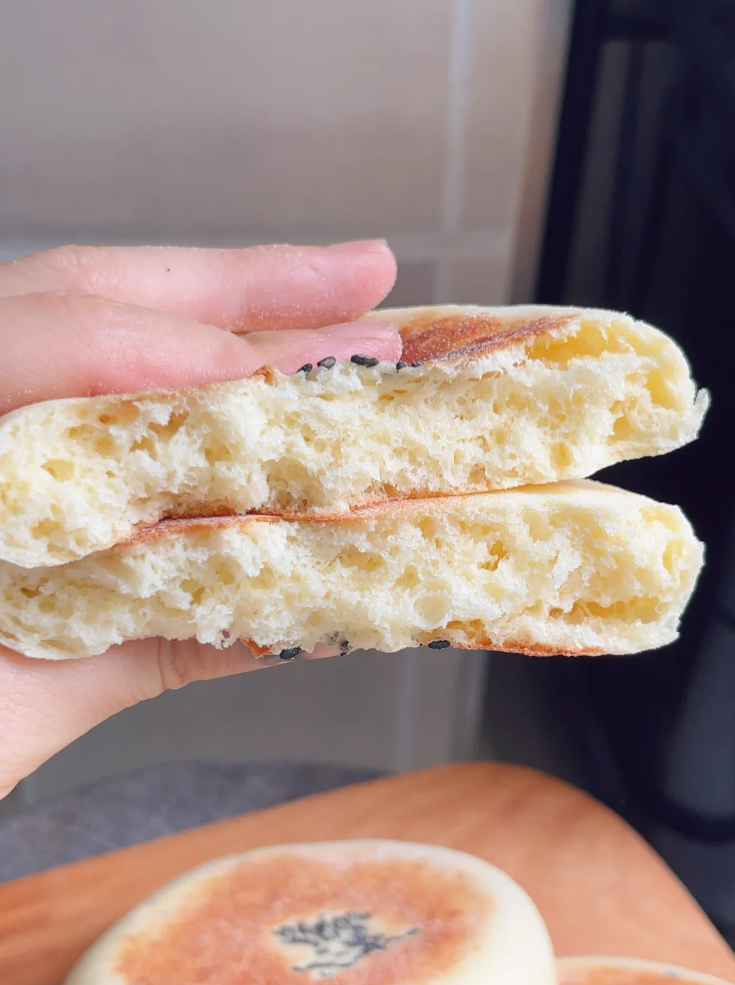
They come out soft like bread with a big dairy aroma, and if you seal them they're still soft two days later. My daughter ate two and wanted more, and said they're much better than bread.
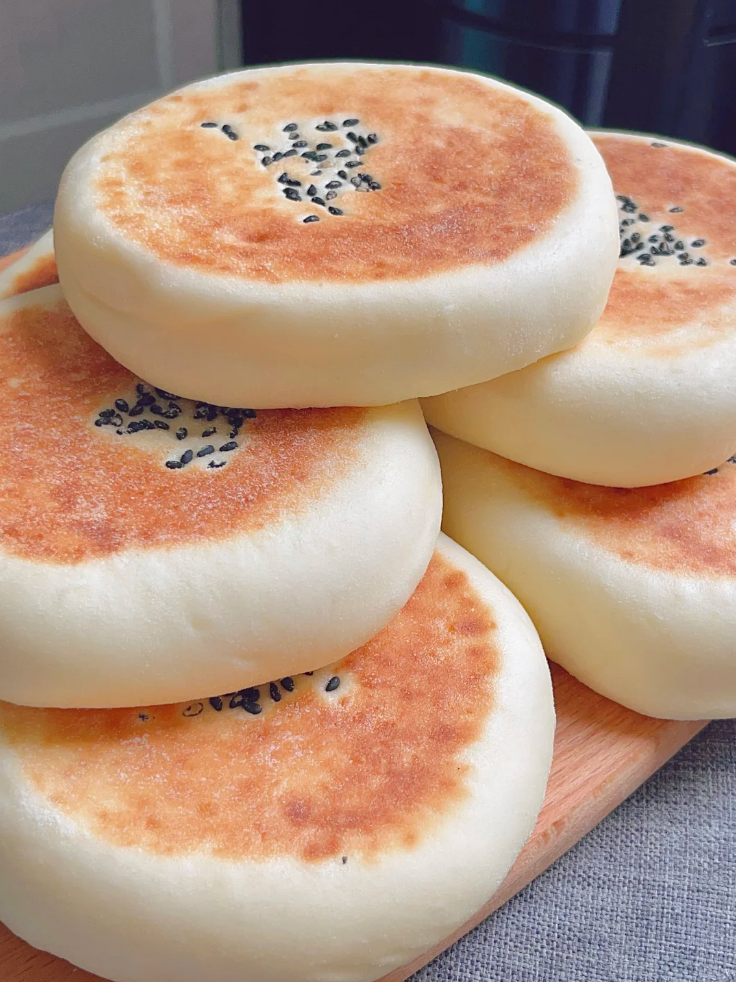
Make six at a time and the family's breakfast is sorted. Do a batch on the weekend, warm one up on a weekday morning — simple and worry-free. And because it's a fermented dough, it's easy on the stomach, which makes it a good breakfast or snack for kids.
Ingredients
| Ingredients | |
|---|---|
| 1⅔ cups (200 g) all-purpose flour | ¾ tsp (2 g) instant yeast |
| 1½ tbsp (20 g) sugar | ⅓ cup (80 ml) milk |
| 1 egg | |
Ingredient Notes
- All-purpose flour is right. A softer dough gives a softer result.
- Add the milk in stages — the ⅓ cup (80 ml) is a guide, go by how the dough feels.
- 1½ tbsp (20 g) sugar is lightly sweet. If you cut it, allow more rising time.
- Dab a little water on the surface before sprinkling sesame, and it won't fall off.
- Always cook with the lid on — the steam is what makes them puff.
Instructions
-
1
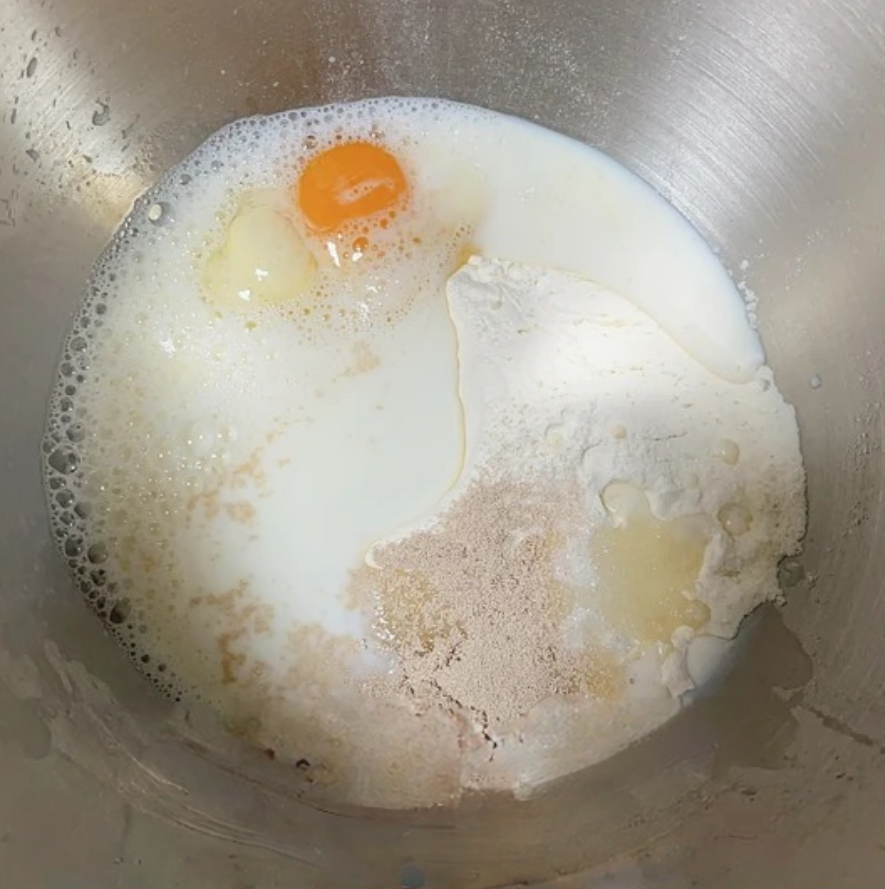
Put the flour, yeast, and sugar in a large bowl, crack in the egg, pour in the milk, stir with chopsticks until shaggy, then knead by hand into a smooth dough.
-
2
Don't pour all the milk in at once — flours absorb differently. Add it gradually and knead until it's not sticky and medium-soft.
A slightly soft dough gives you a softer cake.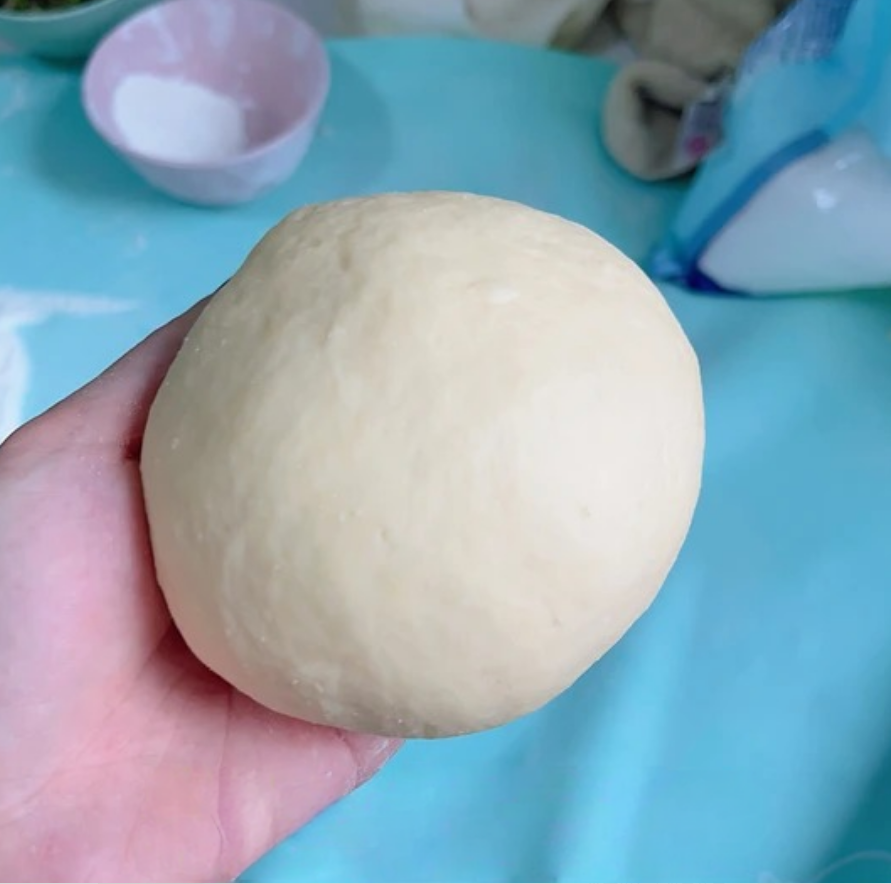
-
3
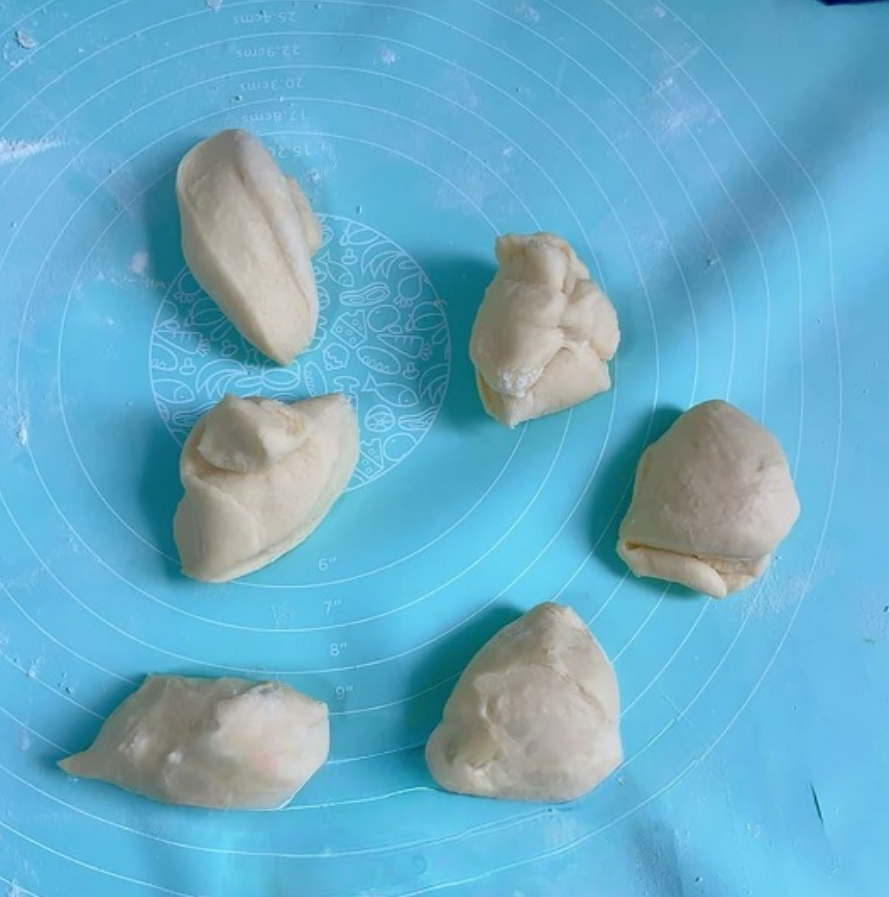
No rising needed for the dough itself; just divide it into 6 pieces.
-
4
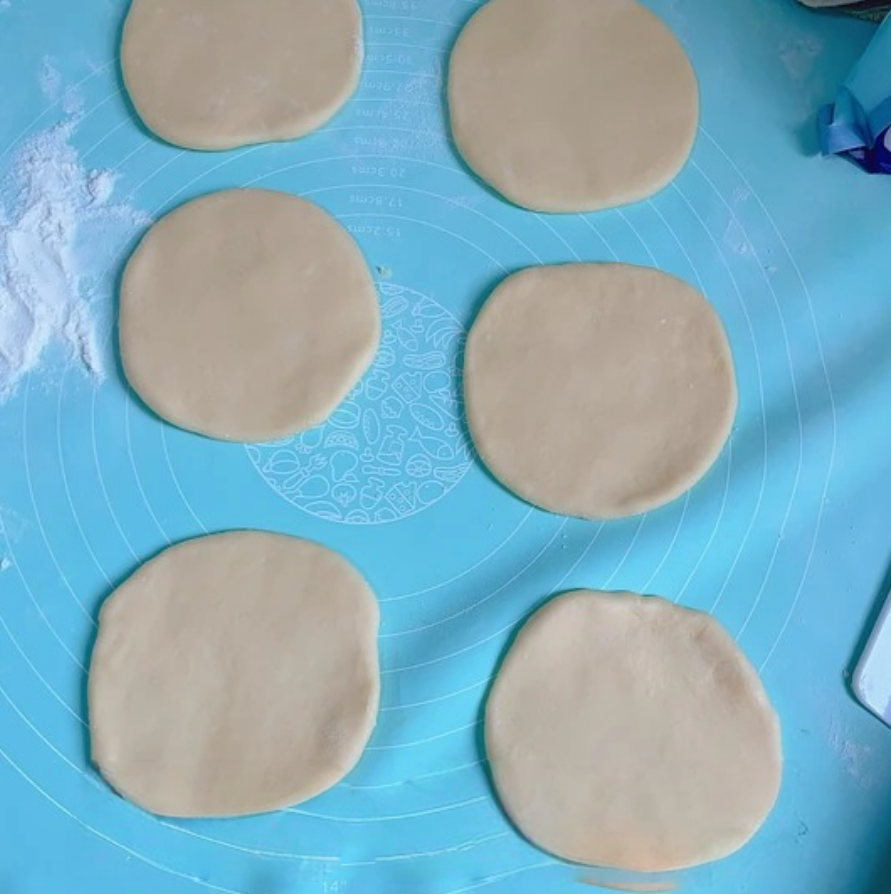
Roll each into a ball, then flatten into a round about ½ in (1 cm) thick.
-
5
Cover the shaped rounds and let them rise somewhere warm until doubled, about 30–40 minutes.
-
6
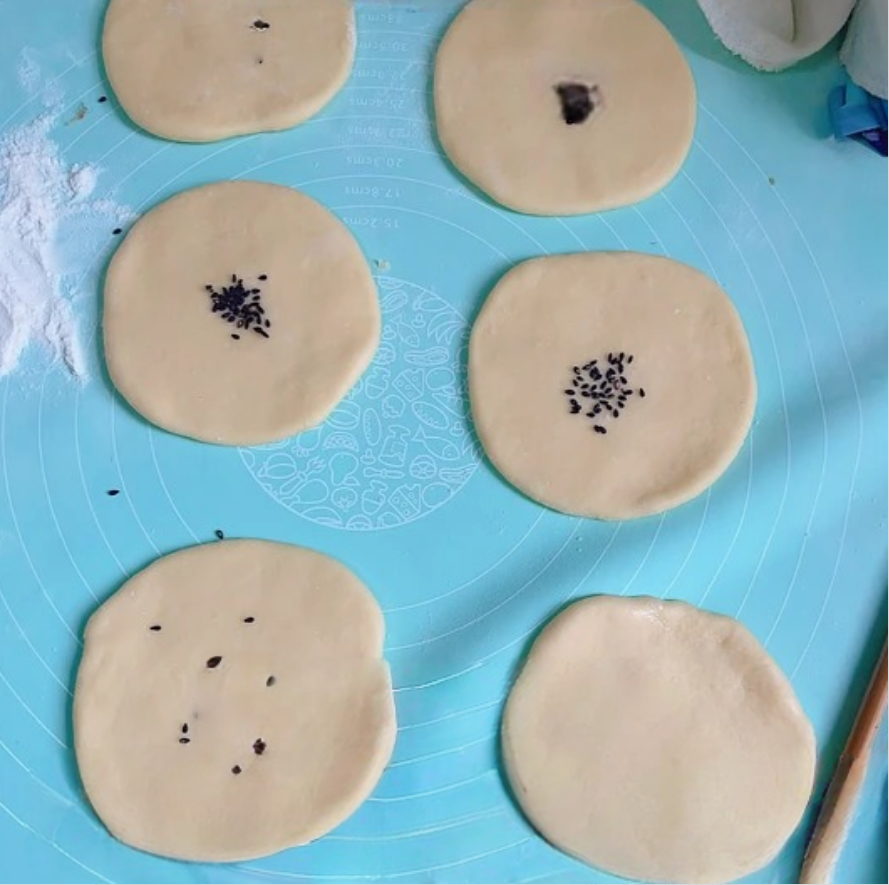
Dab a little water in the middle of each, sprinkle on sesame seeds, and press lightly so they stick.
No oil in the pan. Add the cakes, put the lid on, and cook over medium-low. Flip when one side is golden and cook the other side until golden too. If the surface springs back when pressed, they're done.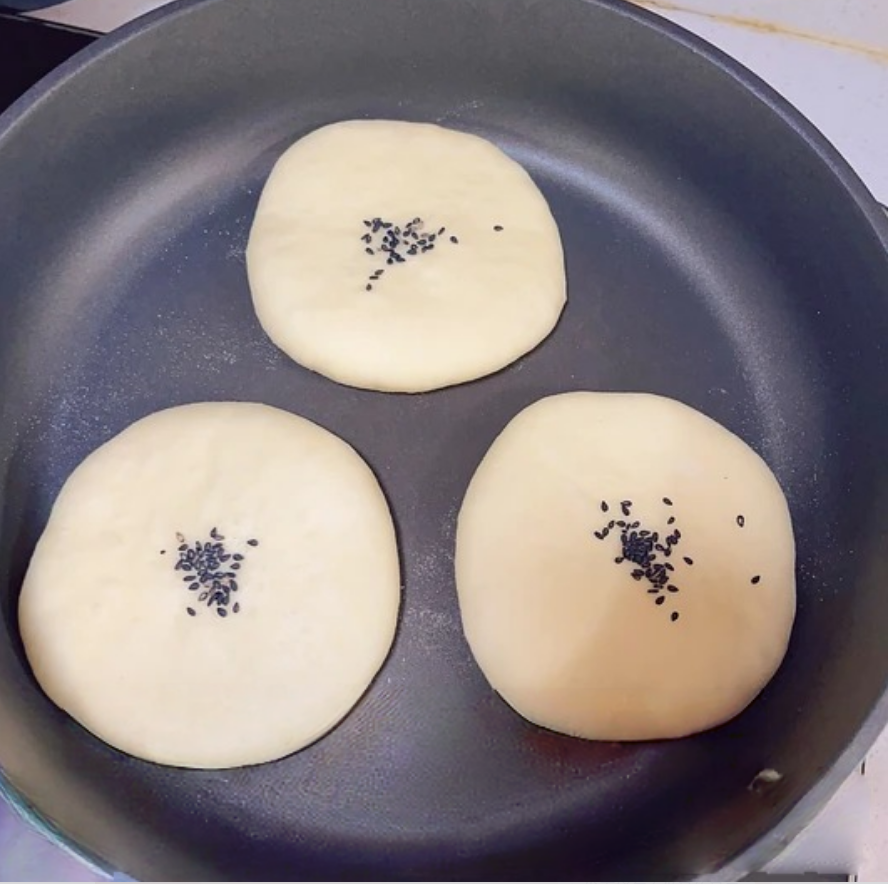
-
7
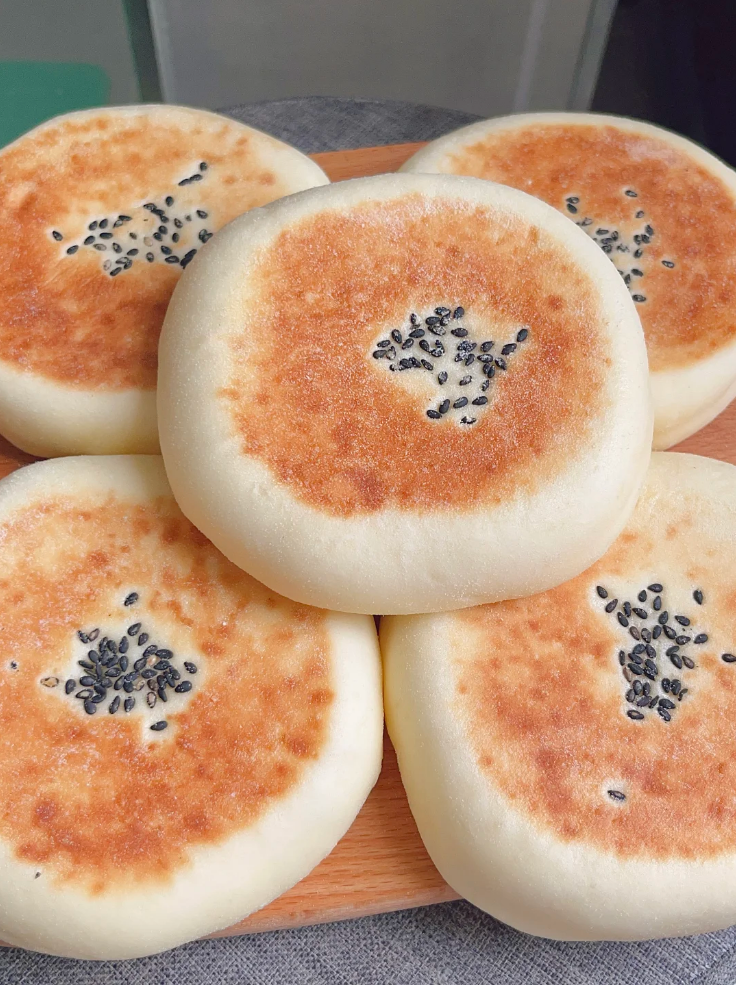
Fresh out of the pan they're warm and soft, light in your hand, fluffy inside — like eating bread.
-
8
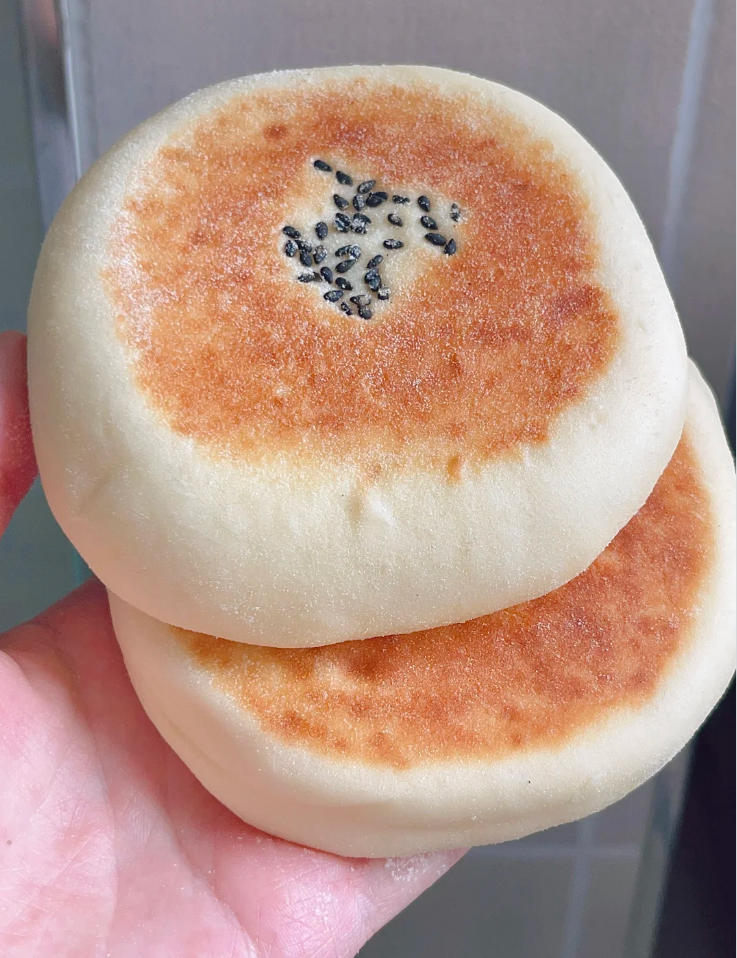
Big egg and dairy flavor, just the right sweetness, more flavor the more you chew. They stay soft even after cooling instead of going hard. With milk for breakfast, or straight from hand as a snack — good either way.
Recipe Notes
Egg & Milk Skillet Cakes
no oven, no oil, just a pan. Soft as bread, full of egg and dairy flavor, and still soft two days later if you keep them sealed.
Time Needed
Prep Ahead
- Nothing to prep — just mix the dough and let it rise.
- 【Yield】1⅔ cups (200 g) flour divides into 6 pieces, so 6 cakes.
- 【Key ratios】Flour to milk ≈ 200:80 plus 1 egg, with ¾ tsp (2 g) yeast and 1½ tbsp (20 g) sugar.
- 【Heat】No oil in the pan, lid on, medium-low heat, 3–4 minutes per side until golden. Done when a press springs back.
- 【Rising】No rise before shaping — portion and roll to ½ in (1 cm) straight away, then let the rounds rise to double, about 30–40 minutes.
- 【Storage & reheating】Sealed at room temperature, soft for 2 days; freeze 2 weeks. Reheat in a skillet or steamer.
- 【Common problems】No rise means expired yeast or milk that was too hot. Hard cakes mean rolled too thin or cooked too long.
Nutrition (per 100 g, estimated)
| Calories | about 257 kcal |
|---|---|
| Protein | about 8 g |
| Fat | about 5 g |
| Carbohydrates | about 45 g |
| of which sugars | about 8 g |
| Fiber | about 1.2 g |
| Sodium | about 160 mg |
Estimated from the ingredient amounts, not lab tested. One cake is about 2 oz (60 g), roughly 154 kcal, calculated at 4 / 9 / 4 kcal per g of protein / fat / carbs.