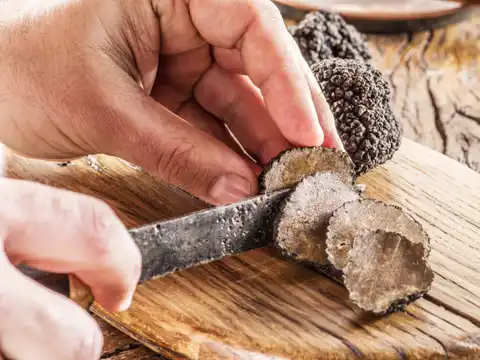
Now integral to the culinary travel experience, foraging tours appeal to those who prioritize sustainability, local flavors and a taste of the outdoors. According to Booking.com's Travel Predictions 2026 report, foraging is part of a "hushed hobbies" travel trend to connect with nature, with 69 percent of travelers interested in staying at a hotel where they can forage in nature for their meals.
Foraging tours have become more sophisticated as travelers seek out expert mycologists and botanists who can safely identify wild foods and lend insight into the ecosystems sustaining them.
Booking.com Travel Predictions
Experiences vary with each destination, whether truffle or wild mushroom hunting in Finland with a company like Arctic GM or seaweed foraging along the coast of New Hampshire with Edible Excursions. Tour companies focused on foraging, such as Forest To Plate, can offer multiday wild food experiences, including its eight-day wild food tour of Sweden.
Often, a foraging tour is paired with a forest- to-meal experience, such as tours led by First Nature, based in Portland, Oregon, which offers truffle foraging experiences guided by an expert forager and truffle dog. Guests learn all aspects of mushroom foraging, including harvesting, cleaning and care, and can taste what they have gathered with a Forest-to-Table Meal at a local vineyard.
Edible Excursions Tour
Asheville-based No Taste Like Home offers foraging and gathering experiences in Western North Carolina, home to some 300 edible species. Tours, based on the time of year, feature everything from mushrooms to daylilies; partner restaurants then prepare a meal from what has been gathered.
Properties may also organize foraging tours for guests and groups. On the West Coast, The Sanctuary Beach Resort in Monterey offers its Ocean Water Pickling & Charcuterie Workshop. It begins with guests collecting fresh ocean water from the nearby shoreline which is used as a natural brine to pickle seasonal vegetables. Stanford Inn by the Sea in Mendocino also offers guests mushroom exploration tours.
No Taste Like Home
Urban foraging has been popular for decades, with Wildman Steve Brill's edible walks in New York's Central Park leading the way. In San Francisco, forageSF features classes and tours in the city, such as its Wild Plants and Medicinal Walks, as well as seaweed or sea urchin foraging classes on the Sonoma Coast and clam harvesting and cooking adventures at Bodega Bay, among others.
On the luxury side, Windstar Cruises offers truffle foraging excursions on some of its itineraries, particularly in Italy or France, where guests go with trained dogs and experts.
Plants and Medicinal Walks
Larger tour operators such as Intrepid Travel incorporate foraging tours into their itineraries. The company offers two New Zealand tours that feature foraging experiences with local chefs who then prepare the food they have gathered.
"The most meaningful travel experiences come from connecting with people and place, learning how communities live, eat and interact with their environment," said Leigh Barnes, president of the Americas, Intrepid Travel. "That's where travel becomes truly memorable."
The most meaningful travel experiences come from connecting with people and place, learning how communities live, eat and interact with their environment.
Where this fits
The further produce travels, the more compromise is involved, which is why local supply still shapes menus in ways that price alone cannot explain.
What to remember
- Foraging tours have become more sophisticated as travelers seek out expert mycologists and botanists who can safely identify wild foods and lend insight into the ecosystems sustaining them
- Often, a foraging tour is paired with a forest- to-meal experience, such as tours led by First Nature, based in Portland, Oregon
- Asheville-based No Taste Like Home offers foraging and gathering experiences in Western North Carolina, home to some 300 edible species
- Properties may also organize foraging tours for guests and groups
- Urban foraging has been popular for decades, with Wildman Steve Brill's edible walks in New York's Central Park leading the way
In short
As always in the produce section, the gap between what gets announced and what actually reaches people is where the real story will be decided.