Consumers are advised to avoid and sanitize; the outbreak highlights the risks of raw dairy.
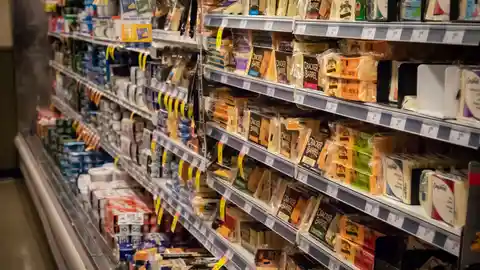
Cheese lovers may want to pause before reaching for that block of cheddar. A raw cheddar cheese linked to a multistate E. coli outbreak has raised concerns across the country, and surprisingly, the company behind it has so far refused to pull it from store shelves. The U.S. Food & Drug Administration (FDA) is warning consumers, but shoppers are still seeing the product for sale in stores.
The situation involves Raw Farm, a California-based dairy farm, whose raw cheddar cheeses have been tied to illnesses in California, Florida and Texas. Seven people, including young children, have fallen ill, and two landed in the hospital. The E. coli strain involved can cause serious complications, including kidney issues in severe cases, though no deaths have been reported so far.
Florida and Texas Seven
🍳 SIGN UP to get delicious recipes, handy kitchen hacks & fun food news in our daily Pop Kitchen newsletter 🍳
What Consumers Need to Know
Symptoms of an E. coli infection can appear a few days after eating contaminated cheese and may include stomach cramps, diarrhea, nausea, vomiting and fever. In some cases, the infection can lead to hemolytic uremic syndrome, a type of kidney failure. The risk is especially high for young children.
Despite the FDA's recommendation for a voluntary recall, Raw Farm's owner has refused to remove the cheeses from shelves, arguing that no E. coli has been detected in their products. This means consumers may still encounter Raw Farm raw cheddar cheese in stores or restaurants, making it important to handle the cheese safely. The FDA advises cleaning and sanitizing any surfaces or containers that came into contact with these products and to avoid serving them to children until the investigation concludes.
How to Stay Safe
Raw Farm
At this time, health officials are urging anyone who has eaten Raw Farm raw cheddar cheese and experiences symptoms to contact their healthcare provider immediately. It's also recommended that consumers avoid giving this cheese to children or anyone with a vulnerable immune system. Stores, restaurants, and foodservice operators should follow FDA guidance on cleaning and sanitizing surfaces that the cheese may have touched to reduce the risk of cross-contamination.
While testing continues to determine whether additional products may be affected, the outbreak highlights the risks associated with raw, unpasteurized dairy. Raw cheeses can carry harmful bacteria even if the products look and taste fine. Shoppers are encouraged to stay updated through the FDA and CDC for any new developments or advisories.
With the product still on shelves and the outbreak ongoing, it's a reminder that food safety requires vigilance and that even seemingly simple items like cheddar cheese can pose serious health risks if handled or consumed improperly.
Stores, restaurants, and foodservice operators should follow FDA guidance on cleaning and sanitizing surfaces that the cheese may have touched to reduce the risk of cross-contamination.
Reading the wider picture
Desserts carry an outsized share of a menu's personality, even when they account for a small share of its revenue.
The short version
- Consumers are advised to avoid and sanitize; the outbreak highlights the risks of raw dairy
- Cheese lovers may want to pause before reaching for that block of cheddar
- The situation involves Raw Farm, a California-based dairy farm, whose raw cheddar cheeses have been tied to illnesses in California, Florida and Texas
- Symptoms of an E. coli infection can appear a few days after eating contaminated cheese and may include stomach cramps, diarrhea, nausea, vomiting and fever
- Despite the FDA's recommendation for a voluntary recall, Raw Farm's owner has refused to remove the cheeses from shelves, arguing that no E. coli has been detected in their products
Common questions
What should you know about Raw Farm?
The situation involves Raw Farm, a California-based dairy farm, whose raw cheddar cheeses have been tied to illnesses in California, Florida and Texas.
What happens next?
While testing continues to determine whether additional products may be affected, the outbreak highlights the risks associated with raw, unpasteurized dairy.
All told
The details will firm up over the coming months. What is already clear is that this is unlikely to be the last we hear of it.