
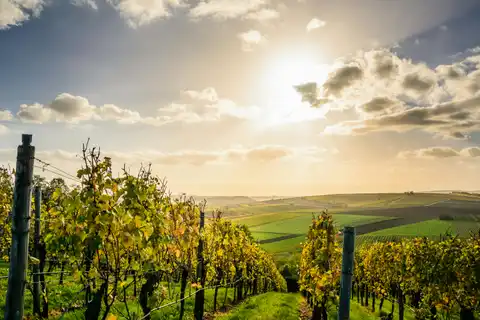
Durbanville, nestled on the northern edge of Cape Town, is one of the city's most distinctive suburbs. Just 20 minutes from the CBD, it offers a lifestyle that blends the tranquility of wine country with the convenience of suburban living.
Its location makes it a gateway to the broader Cape Winelands, with Stellenbosch and Paarl only a short drive away. Yet Durbanville retains its own identity, rooted in history, community, and a strong sense of place.
Cape {town} Etc Discount Alert! Unlock Cape Town's best experiences for half the price! From unforgettable adventures to hidden gems and mouthwatering restaurants, these limited-time deals won't last long. Snag your discount before they're gone!
Durbanville's story begins in the early 19th century. Originally known as Pampoenkraal, the area was established as one of the oldest municipalities in the Western Cape.
Cape Town
In 1825, it was officially renamed Durbanville, and landmarks such as the Dutch Reformed Church and the historic Onze Molen Mill still stand as reminders of its heritage. This blend of old and new gives Durbanville a character that feels both grounded and forward‑looking.
Durbanville is often described as Cape Town's suburban wine capital. Surrounded by vineyards and wheat farms, it offers a farm‑like atmosphere that sets it apart from the busier Atlantic Seaboard.
The Durbanville Wine Valley, with boutique estates like Rust‑en‑Vrede and Diemersdal, is central to its identity. Residents enjoy easy access to wine tastings, food pairings, and cultural events, making the suburb a hub for both locals and visitors seeking authentic experiences.
The lifestyle here is diverse. Families are drawn to the spacious homes, leafy streets, and excellent schools. Entrepreneurs and professionals appreciate the proximity to Cape Town's business districts while enjoying a quieter pace of life.
The details that count
Retirees find comfort in the suburb's strong community spirit and reliable medical facilities. Durbanville manages to be energetic, trendy, and peaceful all at once, a rare balance in a city as dynamic as Cape Town.
Durbanville's natural beauty is one of its strongest assets. The Durbanville Nature Reserve offers walking trails and birdwatching opportunities, while the Tygerberg Hills provide panoramic views of Table Mountain and the Cape Flats.
The suburb is dotted with coffee shops, chic eateries, and thriving restaurants, reflecting its growing reputation as a culinary destination. Cultural venues, community centers and local markets reinforce its identity as a place where people gather, connect, and celebrate.
In terms of real estate, Durbanville offers excellent value for money compared to Cape Town's luxury enclaves like Clifton or Bantry Bay. Homes here are typically larger, with gardens and outdoor spaces that appeal to families.
Why people are talking about it
'With property prices in Cape Town surging by 8.5% year‑on‑year, savvy buyers are looking to established suburbs like Durbanville for exceptional value and lifestyle. Property prices here are forecast to grow between 3 to 7% annually through 2026, with prime areas likely achieving the higher end of this range.' said House of Realtors, Western Cape Property Market 2026.
Durbanville remains more accessible than the Atlantic Seaboard, making it a sought‑after option for those who want suburban comfort without sacrificing proximity to the city.
The combination of lifestyle appeal, accessibility and community infrastructure ensures that demand remains strong.
Be the first to know - Join our WhatsApp Channel for content worth tapping into! Click here to join!
Western Cape Property Market
Also read:Be the first to know - Join our WhatsApp Channel for content worth tapping into!
Why this lands now
Drinks trends tend to start in a handful of bars and take years to reach a supermarket shelf. By the time something feels ubiquitous, the people who cared about it first have usually moved on.
The short version
- Durbanville, nestled on the northern edge of Cape Town, is one of the city's most distinctive suburbs
- In 1825, it was officially renamed Durbanville, and landmarks such as the Dutch Reformed Church and the historic Onze Molen Mill still stand as reminders of its heritage
- Durbanville is often described as Cape Town's suburban wine capital
- The Durbanville Wine Valley, with boutique estates like Rust‑en‑Vrede and Diemersdal, is central to its identity
- Durbanville's natural beauty is one of its strongest assets
The bottom line
How this plays out on the drinks list will take time to become clear. For now it is a development worth following rather than judging.