bohlah at 6-04-2026 03:15 PM (17 mins ago) (m)
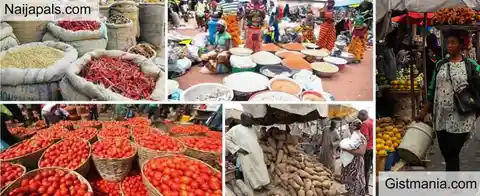
The European Union has sounded the alarm over Nigeria's food waste crisis, revealing that the country discards an estimated 38 million tonnes of food every year -- the highest figure on the African continent -- with devastating consequences for food security, the economy, and the environment.
EU Deputy Ambassador Zissimos Vergos made the disclosure in Abuja during an event marking International Zero Waste Day, describing the scale of the problem as alarming and urging urgent collective action to address it. He contextualised Nigeria's crisis within a broader global emergency, noting that nearly one billion tonnes of food was wasted worldwide in 2022 alone, with food waste accounting for as much as 10 percent of global greenhouse gas emissions and serving as a significant driver of methane pollution.
Deputy Ambassador Zissimos Vergos
Despite the sobering figures, Vergos acknowledged the steps Nigeria has taken, including the development of a circular economy roadmap and various waste management initiatives, describing them as meaningful structural foundations upon which more ambitious solutions could be built.
The EU outlined three priority interventions it believes are critical to turning the tide: upgrading rural infrastructure such as roads and cold storage facilities to curb post-harvest losses; expanding food processing capacity to convert surplus produce into value-added goods; and incorporating zero-waste principles into school curricula to instil sustainable habits from an early age.
Nigeria's Minister of Environment, Balarabe Lawal, reaffirmed the federal government's commitment to confronting the crisis, disclosing plans to roll out food waste reduction measures across major markets nationwide. He noted that tackling waste would simultaneously help reduce pollution, preserve natural resources, and strengthen the country's food security.
Environment Balarabe Lawal
Also addressing the event, UNIDO representative Philbert Johnson underscored the broader economic stakes, warning that inefficient food systems carry far-reaching consequences for both financial stability and public well-being. He stressed that wasted food ultimately represents wasted water, energy, and human labour -- losses no developing economy could afford to sustain.
The wider picture
Food-industry announcements tend to arrive in waves: a launch, a reaction, then a revision once the public has its say. Read in sequence rather than in isolation, they usually say more about where the market is heading than any single statement does.
At a glance
- Despite the sobering figures, Vergos acknowledged the steps Nigeria has taken, including the development of a circular economy roadmap and various waste management initiatives, describing them as meaningful structural foundations upon which more ambitious solutions could be built
- Nigeria's Minister of Environment, Balarabe Lawal, reaffirmed the federal government's commitment to confronting the crisis, disclosing plans to roll out food waste reduction measures across major markets nationwide
Common questions
What should you know about Deputy Ambassador Zissimos Vergos?
EU Deputy Ambassador Zissimos Vergos made the disclosure in Abuja during an event marking International Zero Waste Day, describing the scale of the problem as alarming and urging urgent collective action to address it.
What happens next?
Nigeria's Minister of Environment, Balarabe Lawal, reaffirmed the federal government's commitment to confronting the crisis, disclosing plans to roll out food waste reduction measures across major markets nationwide.
All told
How this plays out in the food industry will take time to become clear. For now it is a development worth following rather than judging.