
By: Tuhin Sarkar
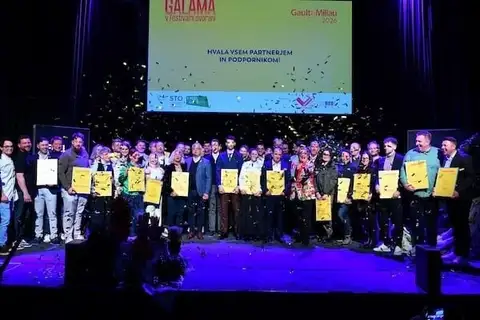
Slovenia has entered a defining moment in its culinary evolution as the Gault&Millau Slovenia 2026 guide unveils a record-breaking selection, placing the country firmly on Europe's gastronomic map. With 36 restaurants earning three toques, 14 achieving four toques, and -- most notably -- one restaurant receiving the prestigious five-toque distinction for the first time in national history, the guide signals a remarkable leap in quality and innovation. This milestone is not just a celebration of excellence but a reflection of deeper structural changes shaping Slovenia's food culture, tourism strategy, and global appeal.
What makes the Gault&Millau 2026 selection a historic milestone for Slovenia?
The 2026 edition stands out as the most significant in Slovenia's culinary history. The awarding of five toques to a Slovenian restaurant marks a breakthrough moment, elevating the country into an elite global category. This recognition underscores the consistent progress made by Slovenian chefs and restaurateurs over recent years. Beyond individual accolades, the scale of awards -- spanning over 50 high-ranking establishments -- demonstrates a broad-based elevation in standards across the national dining landscape.
How were restaurants evaluated in this year's guide?
Slovenia
The selection process involved anonymous inspections of more than 200 restaurants across Slovenia, ensuring objectivity and credibility. Inspectors assessed key criteria such as ingredient quality, creativity, technical execution, and overall dining experience. Notably, the evaluation extended beyond established culinary hotspots to include lesser-known regions. This approach reflects a commitment to uncovering emerging talent and diverse gastronomic expressions, highlighting Slovenia's rich and varied culinary identity beyond its major cities.
Why is the rise of young chefs reshaping Slovenian gastronomy?
A defining feature of the 2026 guide is the emergence of a new generation of chefs who are redefining Slovenian cuisine. These young professionals are taking over traditional gostilnas or launching innovative ventures, blending heritage with contemporary techniques. Their approach emphasises local sourcing, sustainability, and storytelling, creating dishes that are both rooted in tradition and forward-looking. This generational shift is injecting fresh energy into the industry, driving innovation and raising overall standards.
How is Slovenia positioning itself as a global culinary destination?
Slovenia's gastronomic achievements are increasingly attracting international attention from critics, media, and travellers. The country is leveraging its culinary success as a key pillar of its tourism strategy. By promoting high-quality dining experiences, Slovenia is positioning itself as a destination for discerning travellers seeking authenticity and innovation. Culinary tourism is becoming a powerful tool for enhancing the country's global image and differentiating it from other European destinations
A closer look
What role does the Slovenian Tourist Board play in this success?
The Slovenian Tourist Board (STB) has been instrumental in supporting the growth of the country's culinary sector. As a strategic partner of Gault&Millau Slovenia, the STB has actively promoted the guide and its featured establishments. This collaboration helps amplify Slovenia's visibility across international markets, reaching millions of potential visitors. The STB's efforts are aligned with broader tourism objectives, including increasing visitor spending, extending stays, and promoting lesser-known regions.
How does gastronomy contribute to Slovenia's tourism strategy?
Gastronomy is a central component of Slovenia's tourism development plan. It supports key objectives such as reducing seasonality, distributing visitor flows across regions, and creating high-value experiences. Culinary tourism encourages travellers to explore beyond traditional hotspots, discovering rural areas and local traditions. This not only enhances the visitor experience but also supports local economies, making tourism more sustainable and inclusive.
What impact do culinary guides like Gault&Millau have globally?
Slovenian Tourist Board
Influential guides such as Gault&Millau play a crucial role in shaping global perceptions of culinary destinations. Their ratings and reviews carry significant weight among travellers and industry professionals. For Slovenia, inclusion in such a respected guide enhances credibility and visibility, attracting attention from international media and food enthusiasts. The guide acts as a powerful marketing tool, positioning Slovenia alongside established gastronomic destinations
How are traditional Slovenian gostilnas evolving?
Traditional gostilnas, long considered the backbone of Slovenian cuisine, are undergoing a transformation. Younger chefs are reimagining these establishments, preserving their cultural essence while introducing modern techniques and presentations. This evolution allows gostilnas to remain relevant in a competitive global market. By balancing tradition and innovation, they are creating unique dining experiences that appeal to both local and international audiences.
What opportunities does this growth create for young talent?
The rise of Slovenia's culinary scene is opening new career pathways for aspiring chefs and hospitality professionals. The industry's growing international recognition makes it an attractive field for young talent. Opportunities extend beyond cooking to areas such as food innovation, sustainability, and tourism management. This development is fostering a dynamic and competitive environment, encouraging continuous learning and professional growth.
What you need to know
How is sustainability influencing Slovenian cuisine?
Sustainability is a core principle of Slovenia's culinary identity. Many chefs prioritise local, seasonal ingredients, reducing environmental impact and supporting regional producers. This approach aligns with global trends towards responsible dining and enhances the authenticity of Slovenian cuisine. Sustainable practices are not only beneficial for the environment but also add value to the dining experience, appealing to increasingly conscious consumers
What does the future hold for Slovenian gastronomy?
The achievements highlighted in the Gault&Millau 2026 guide suggest a promising future for Slovenian gastronomy. Continued innovation, combined with strong institutional support, is likely to drive further growth. As more restaurants gain international recognition, Slovenia's reputation as a culinary destination will strengthen. The ongoing integration of tradition, creativity, and sustainability positions the country for sustained success in the global food landscape.
The Gault&Millau Slovenia 2026 guide marks a transformative moment for the country's culinary sector. With historic achievements, a surge of young talent, and strong institutional support, Slovenia is redefining its place on the global gastronomic stage. The guide not only celebrates excellence but also highlights the dynamic forces shaping the future of Slovenian cuisine. As the country continues to innovate and evolve, it is set to become an increasingly influential player in the world of fine dining.
Inspectors assessed key criteria such as ingredient quality, creativity, technical execution, and overall dining experience.
Why this lands now
Openings get the attention, but it is the second and third year that decide whether a restaurant becomes part of a city's routine.
Key takeaways
- Slovenia has entered a defining moment in its culinary evolution as the Gault&Millau Slovenia 2026 guide unveils a record-breaking selection, placing the country firmly on Europe's gastronomic map
- A defining feature of the 2026 guide is the emergence of a new generation of chefs who are redefining Slovenian cuisine
- Slovenia's gastronomic achievements are increasingly attracting international attention from critics, media, and travellers
- The Slovenian Tourist Board (STB) has been instrumental in supporting the growth of the country's culinary sector
- Gastronomy is a central component of Slovenia's tourism development plan
By the numbers
- With 36 restaurants earning three toques, 14 achieving four toques, and -- most notably --
- What makes the Gault&Millau 2026 selection a historic milestone for Slovenia?
- The 2026 edition stands out as the most significant in Slovenia's culinary history
- The selection process involved anonymous inspections of more than 200 restaurants across Slovenia, ensuring objectivity and credibility
- The achievements highlighted in the Gault&Millau 2026 guide suggest a promising future for Slovenian gastronomy
Common questions
What should you know about Slovenia?
Slovenia has entered a defining moment in its culinary evolution as the Gault&Millau Slovenia 2026 guide unveils a record-breaking selection, placing the country firmly on Europe's gastronomic map.
Why does it matter?
The 2026 edition stands out as the most significant in Slovenia's culinary history.
What happens next?
The achievements highlighted in the Gault&Millau 2026 guide suggest a promising future for Slovenian gastronomy.
The bottom line
None of this settles the wider question. It does make one thing harder to ignore: the pressure in the dining room has shifted, and others will have to respond to it.